 |
 |
 |
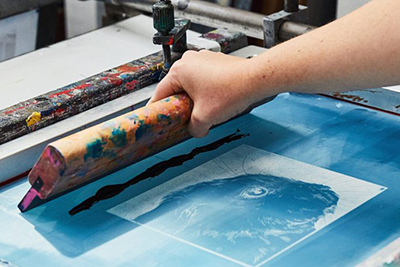
| SCREEN PRINTING Screen printing is one of the most traditional printing methods. It uses a mesh screen with a printed pattern to apply ink to the fabric. |
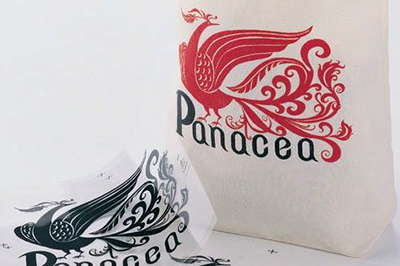
DTF PRINTING DTF printing first requires printing your design onto a film, which is then transferred to the tote bag using heat press. |
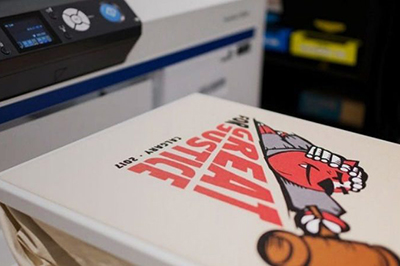
DTG PRINTING DTG printing involves spraying ink directly onto the tote fabric. Unlike DTF, it requires pre-treatment of the fabric in advance. |
| Cost-effectiveness: For mass production, screen printing is the most cost-effective option. Durability: Screen printing is known for its excellent resistance to washing. Vivid colors: Screen printing allows for excellent color vibrancy, especially on dark fabrics. Setup costs: Each design requires a separate screen, so it is not well suited for small batches. Design limitations: Screen printing has difficulty with complex designs and gradients, and has a limited number of colors. |
Vivid Colors: DTF printing produces incredibly vivid, lifelike results. Intricate designs and full-color images are captured perfectly. Fabric Versatility: DTF printing works on a wide range of materials. Quick Turnaround: Smaller print runs can be completed relatively quickly, making them ideal for rush orders. Cost: Low printing cost and can be for both large and small orders. Durability: DTF printing less scratch-resistant than others, can be washed 30-50 times, and may peel after repeated washings. |
Inkjet Advantages: Similar to home inkjet printers, DTG printing excels at capturing fine details and text in designs. Durability: DTG printing has good wash resistance. Bulk Order Discounts: DTG printing is more cost-effective for large-volume printing. Fabric Compatibility: DTG printing works best with natural fibers such as cotton and may not be suitable for synthetic fibers such as nylon or polyester. Color Vibrancy: Printing on dark fabrics will result in less vivid color reproduction. |