UV Printing Guide: How It Works, Benefits, Materials and Applications
By Jingtong Intelligent Technology
September 29th, 2026
What Is UV Printing?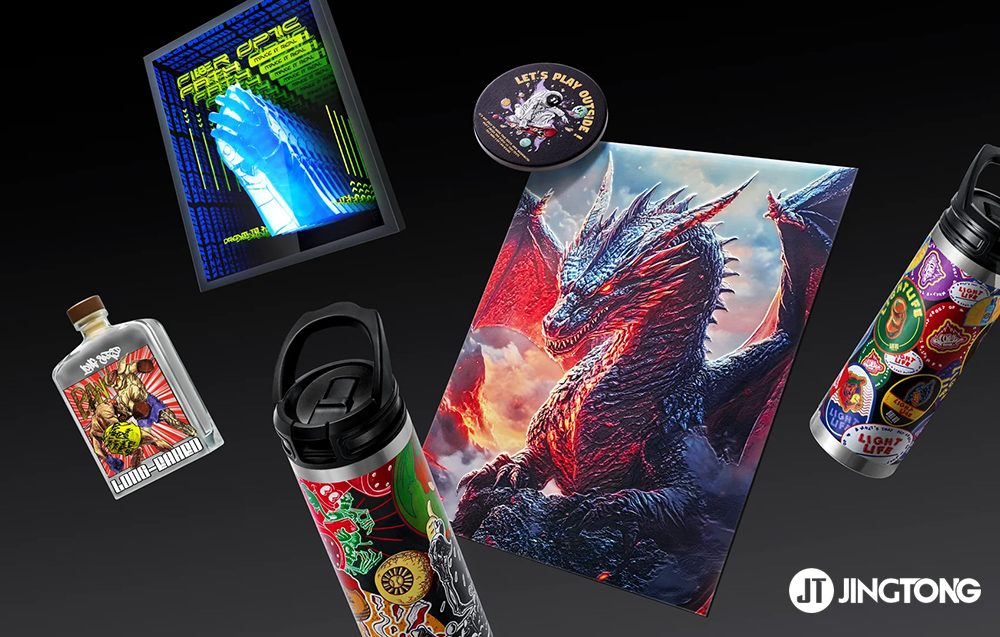
UV printing is a digital printing technology that uses UV-curable ink and ultraviolet light to create images directly on a wide range of materials. The UV light cures the ink immediately during printing, so the finished print can usually be handled right away.Unlike conventional printing, UV printing can work with many rigid and specialty substrates, including acrylic, wood, glass, metal, plastic and ceramic. It is widely used for signage, customized products, packaging, promotional items and short-run production.How Does UV Printing Work?A UV printer deposits tiny droplets of UV ink onto the material through precision printheads. UV LED lamps then cure the ink as it is printed.
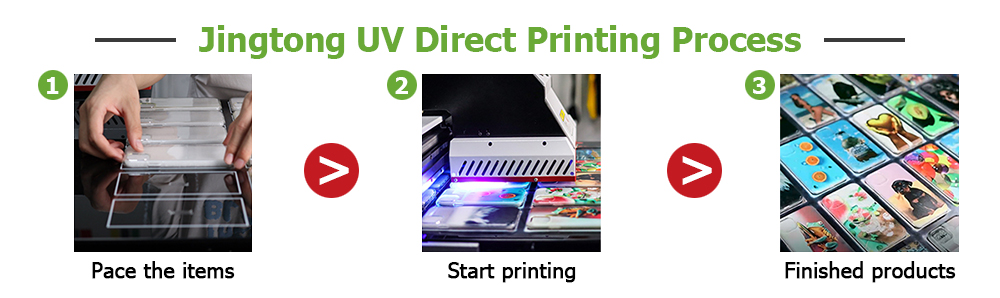 A typical process is:1. Prepare the artwork in RIP software.2. Place the material on the printer.3. Print CMYK, white ink or varnish as required.4. UV light cures the ink immediately.5. Remove the finished product for handling or further processing.White ink is useful for dark or transparent materials, while varnish and multi-layer printing can create glossy or raised effects.UV Printing vs. Normal PrintingThe main difference is how the ink is dried or cured. Conventional printing may rely on air, heat or material absorption, while UV printing uses ultraviolet light to cure the ink directly on the surface.This allows UV printers to handle a wider variety of rigid and non-porous materials and makes them suitable for short-run and customized production.However, not every material has the same ink adhesion. Some surfaces may require testing, primer or other preparation.Types of UV Printing
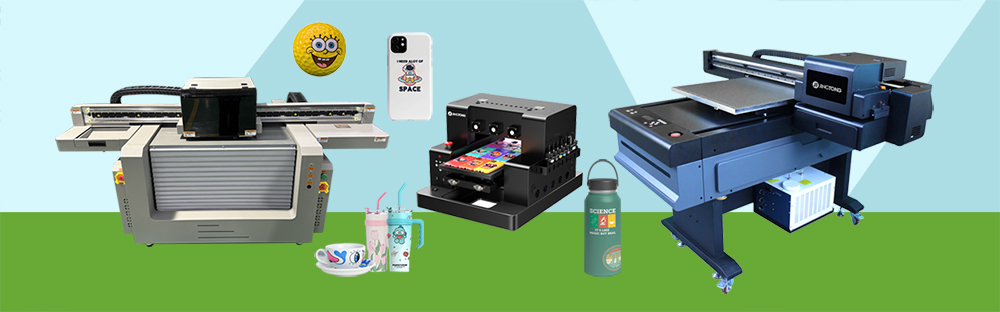 UV Flatbed Printing: Prints directly onto rigid sheets and objects such as acrylic, wood, glass and metal.Rotary UV Printing: Uses a rotary attachment to print on cylindrical products such as bottles, cups and tumblers.UV DTF Printing: Prints onto transfer film first and then transfers the design onto the final product, making it suitable for curved or irregular surfaces.Hybrid UV Printing: Combines flatbed and roll-to-roll capabilities for businesses handling different types of substrates.Benefits of UV Printing* Instant curing: Minimal waiting time after printing.* Wide material range: Suitable for many rigid and specialty substrates.* High-quality graphics: Produces detailed and vibrant images.* White ink: Allows printing on dark and transparent materials.* Special effects: Supports varnish, layered and raised textures on compatible machines.* Short-run production: Ideal for customized and on-demand products.* Direct printing: Graphics can be printed directly onto many products.Disadvantages of UV PrintingUV printers generally require a higher initial investment than basic inkjet printers. They also need regular printhead and ink-system maintenance.Material compatibility should also be tested before production. Some plastics, glass, metals and coated surfaces may require primer or special ink settings.
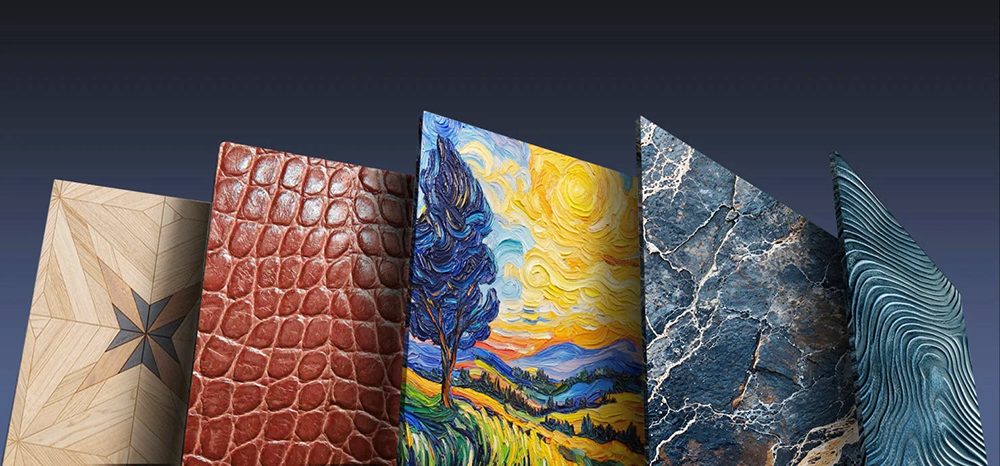 What Materials Can a UV Printer Print On?One of the biggest advantages of UV printing is its ability to work with a broad range of substrates.Acrylic
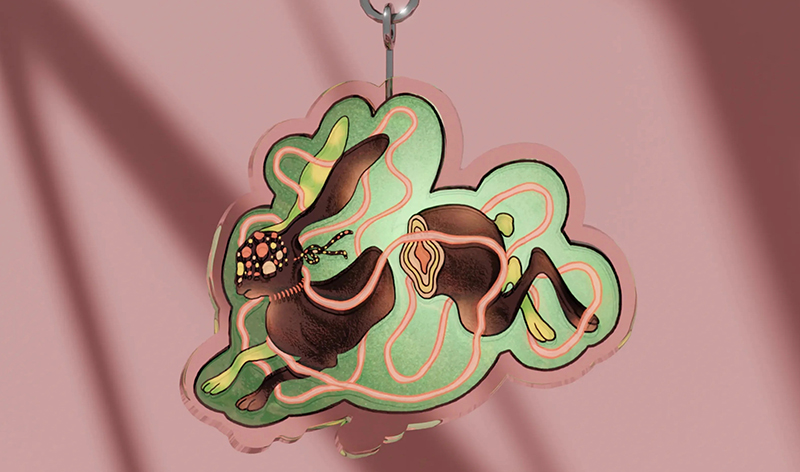
UV printing on acrylic is commonly used for signs, displays, photo panels, nameplates and decorative products. White ink can be particularly useful for transparent acrylic.
Wood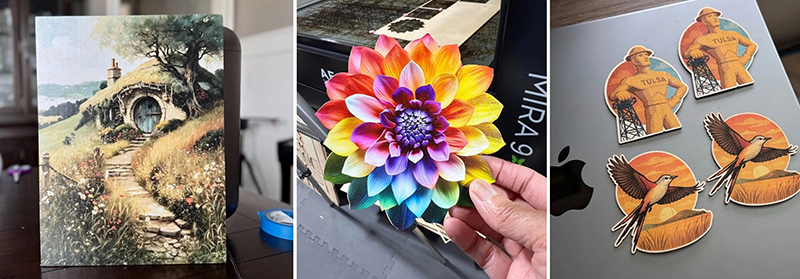
Wooden signs, plaques, boxes, decorative panels and personalized gifts can be printed directly with UV technology.
Glass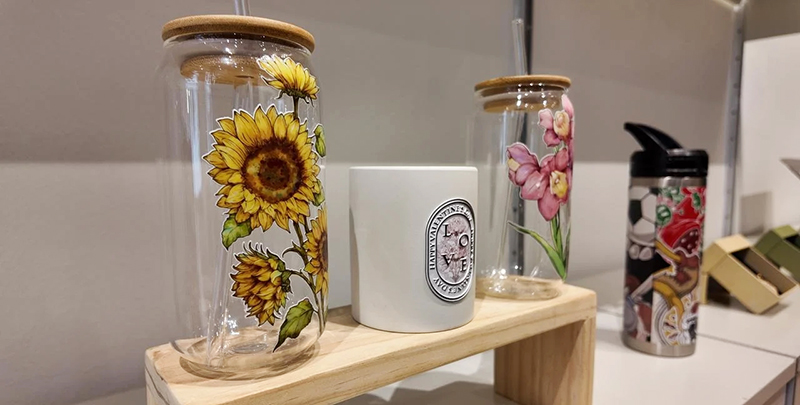
UV printing can add full-color graphics to glass products and panels. Because glass is smooth and non-porous, adhesion should be tested and optimized for the specific application.Metal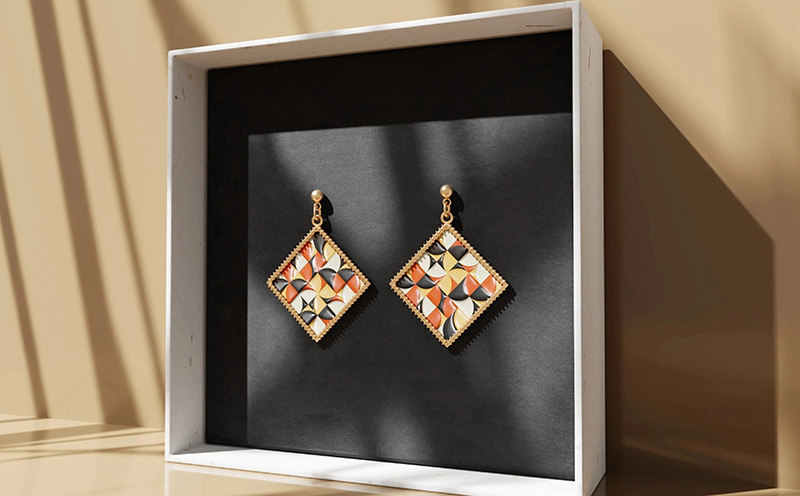
Metal plates, promotional products, machine panels and personalized metal items can be customized with UV printing.Plastic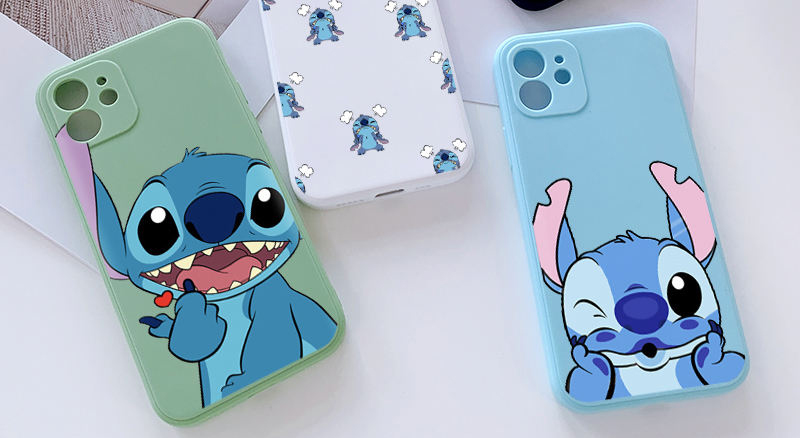
Many plastic products, including phone cases, keychains, containers and promotional items, can be suitable for UV printing depending on the specific plastic and surface treatment.Ceramic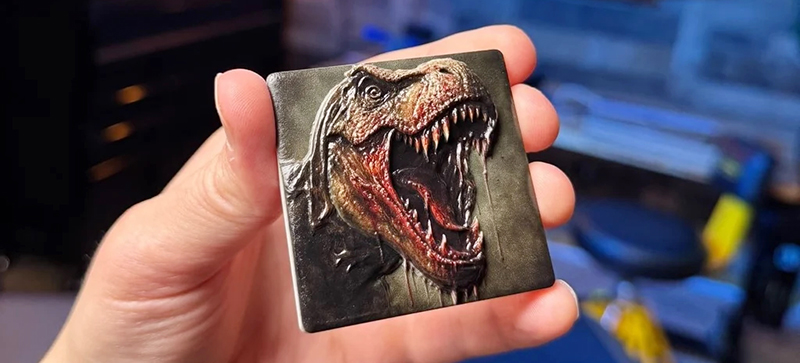
Ceramic tiles, decorative products and personalized gifts are other common applications.Leather and Other Materials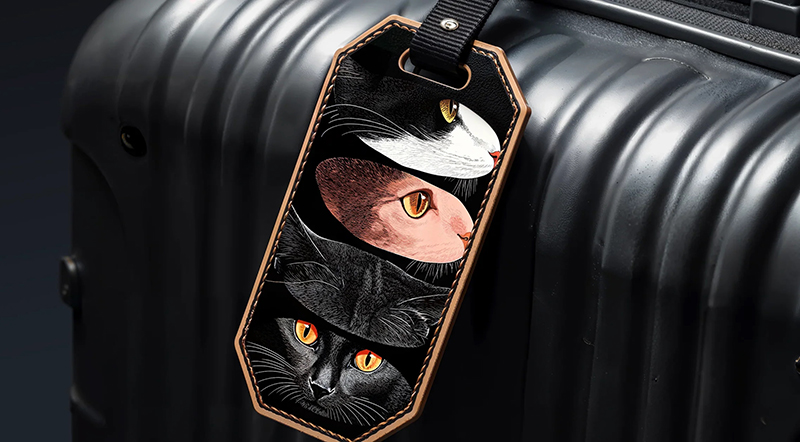
With the appropriate ink and settings, UV printing can also be used on selected leather, coated materials and specialty substrates. Flexible materials require particular attention to ink flexibility and adhesion.What Is the Future of UV Printing?
UV printing is developing alongside the growing demand for personalization, short-run manufacturing and customized packaging.Newer UV printers increasingly include vision positioning, rotary printing, white ink, varnish and multi-layer printing. These features expand the range of products that businesses can produce with one digital printing system.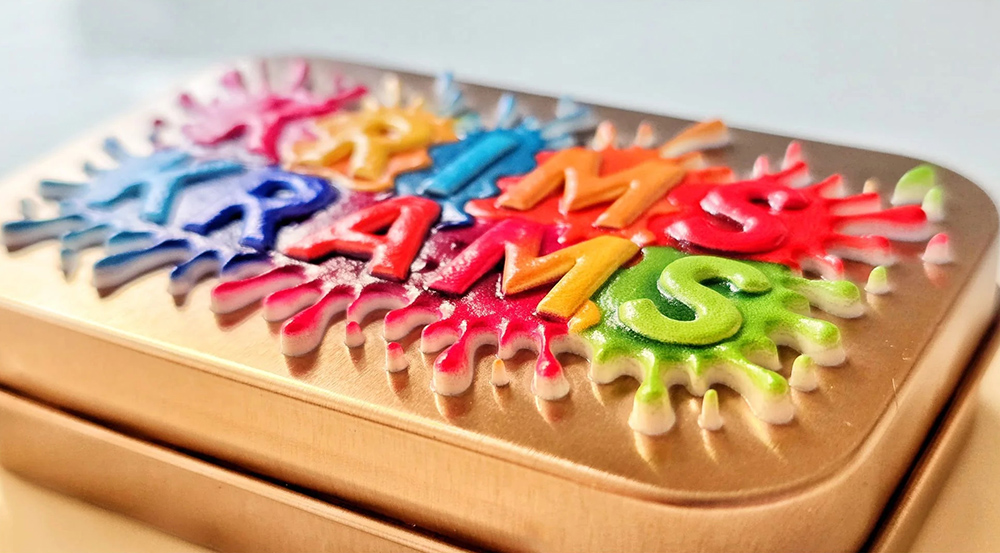 Is UV Printing Right for You?UV printing may be suitable if you need to print directly onto rigid materials, produce customized products or handle short production runs.Before choosing a machine, consider your material types, maximum print size, product thickness, production volume, print speed and whether you need white ink, varnish, rotary printing or vision positioning.FAQs About UV PrintingQ: What is UV printing used for?A: UV printing is commonly used for signs, customized gifts, promotional products, packaging, displays, industrial components and other personalized products.Q: Does UV printing dry immediately?A: UV ink is cured by UV light during printing, so it is generally ready for handling immediately after printing.Q: Can UV printers print white ink?A: Yes. White ink is especially useful for dark, colored and transparent materials.Q: Can UV printing create 3D effects?A: Some UV printers can build up multiple ink layers to create raised textures and decorative effects.Q: What is the difference between UV printing and UV DTF?A: UV printing applies ink directly to the substrate, while UV DTF prints onto transfer film before transferring the design to the final product.
Previous
Jingtong Intelligent Technology at SIGN CHINA 2026 Shanghai
Read More
Next
6-Color vs 10-Color UV Printers: Which One Is Right for Your Business?
Read More